Crossing Borders with a Rental Van: Uruguay, Chile, Brazil
12 Oct 2026 · 6 min read
One of the great things about the Río de la Plata region is how close everything is: Uruguay is a ferry ride away, Chile is just over the Andes and Brazil starts where Uruguay ends. Taking a rental van across a border is very doable, but it needs some preparation. This guide explains how it works in general. Border rules change, so always check the current requirements with official sources before you travel.
Tell the rental company before your trip
You cannot just drive a rental vehicle across an international border. The owner of the vehicle (the rental company) has to authorise it in writing, and the insurance must be extended to cover the other country. In Mercosur countries, this usually means specific international coverage and a signed authorisation that border officials may ask to see.
At Mate Bus, you add the Border permit extra when you book. It costs $130 per trip and includes the paperwork and insurance extension we prepare for the crossing. It is mandatory if you want to drop off the van in Montevideo. Register your plans before the trip, because the documents take time to prepare and cannot be arranged at the border.
Documents to carry
Keep everything in one folder, both printed and as photos on your phone. Requirements can vary by crossing and nationality, so check what applies to you.
- ●Passport (and visa, if your nationality needs one)
- ●Driving licence and International Driving Permit
- ●Vehicle registration papers (provided by Mate)
- ●Written authorisation from the vehicle owner to leave the country (provided by Mate with the Border permit)
- ●International insurance certificate for the destination country
- ●Rental contract
Argentina to Uruguay: ferry or bridge
The quickest way from Buenos Aires is the ferry across the Río de la Plata. Buquebus and Colonia Express run to Colonia del Sacramento (and Buquebus also to Montevideo), and both carry vehicles. Vehicle spaces are limited, especially in summer and on long weekends, so book well in advance. Immigration for both countries is usually done at the port before boarding.
If you prefer to drive, there are three international bridges over the Río Uruguay: Gualeguaychú to Fray Bentos, Colón to Paysandú, and Concordia to Salto (across the Salto Grande dam). This route takes longer from Buenos Aires but is cheaper than the ferry and makes a nice loop through Entre Ríos.
Argentina to Chile: food controls and mountain passes
Chile has strict agricultural controls run by the SAG (Servicio Agrícola y Ganadero). As a general rule, do not bring fresh fruit, vegetables, meat, dairy, honey, seeds, plants or similar products. Declare anything you are unsure about on the form: undeclared items can lead to fines, while declared items are simply taken away. Empty the fridge before the crossing and expect officers to inspect the van.
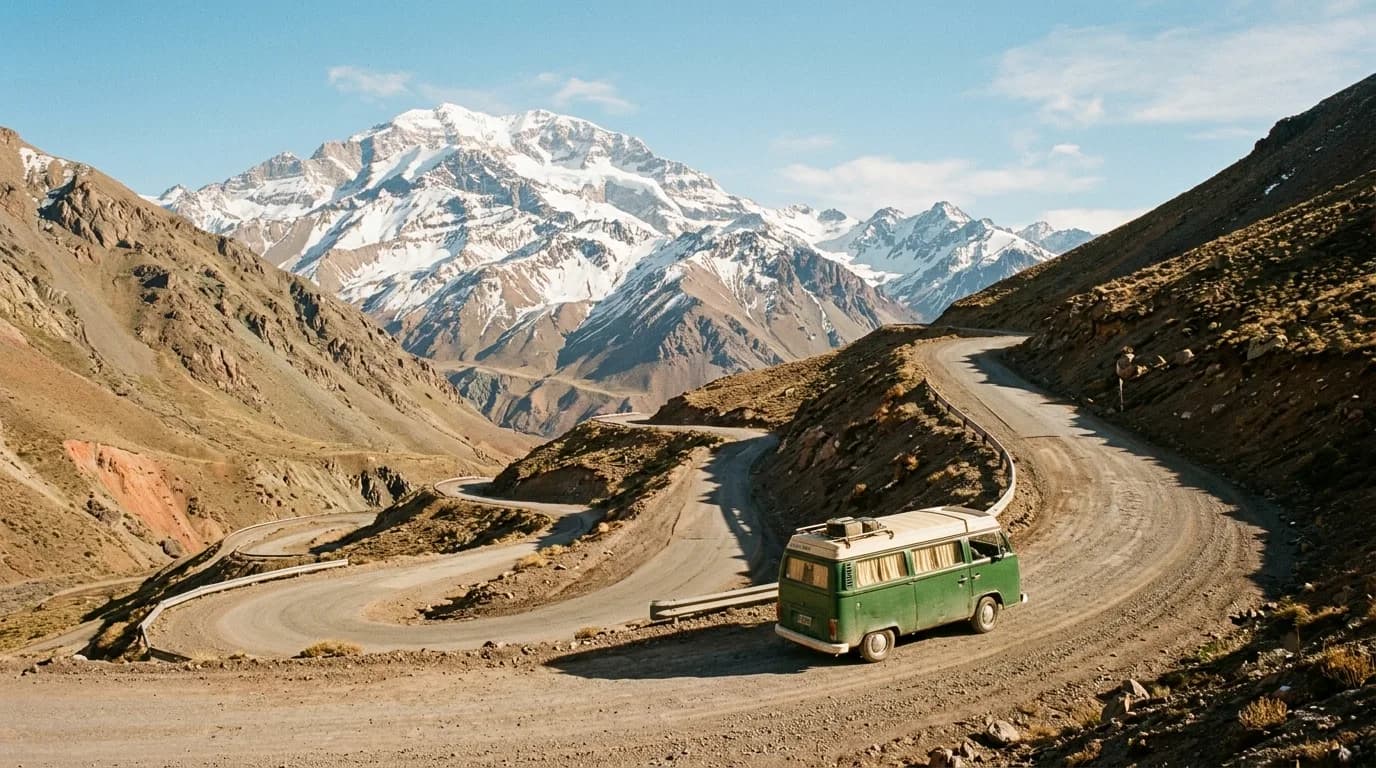
The main crossing from Mendoza, Paso Cristo Redentor (Los Libertadores), is at high altitude and can close for hours or days in winter because of snow, and occasionally in other seasons too. Other passes in Patagonia can also close due to weather. Check the official pass status before you set off and have a plan B.
Uruguay to Brazil via Chuy
From the Uruguayan coast, the main route to southern Brazil goes through Chuy, a border town where the two countries are separated by a single avenue. The town itself is easy to walk around, but to drive further into Brazil you need to complete formal immigration and vehicle procedures at the official posts, so do not skip them. As with any crossing, your vehicle authorisation and insurance must cover Brazil, so tell us in advance.
Final tips for a smooth crossing
Arrive at borders early in the day and avoid holiday weekends, when queues can last hours. Have some cash in local currency for small fees, and make sure your phone plan or offline maps work on the other side. Above all, plan ahead: add the Border permit when you book your Mate van, at least 3 weeks before your trip.
Ready to go?
Book your Mate Bus at least 3 weeks ahead — free cancellation up to 21 days before pick-up.